Bronze Parts in Metal Rolling Mills
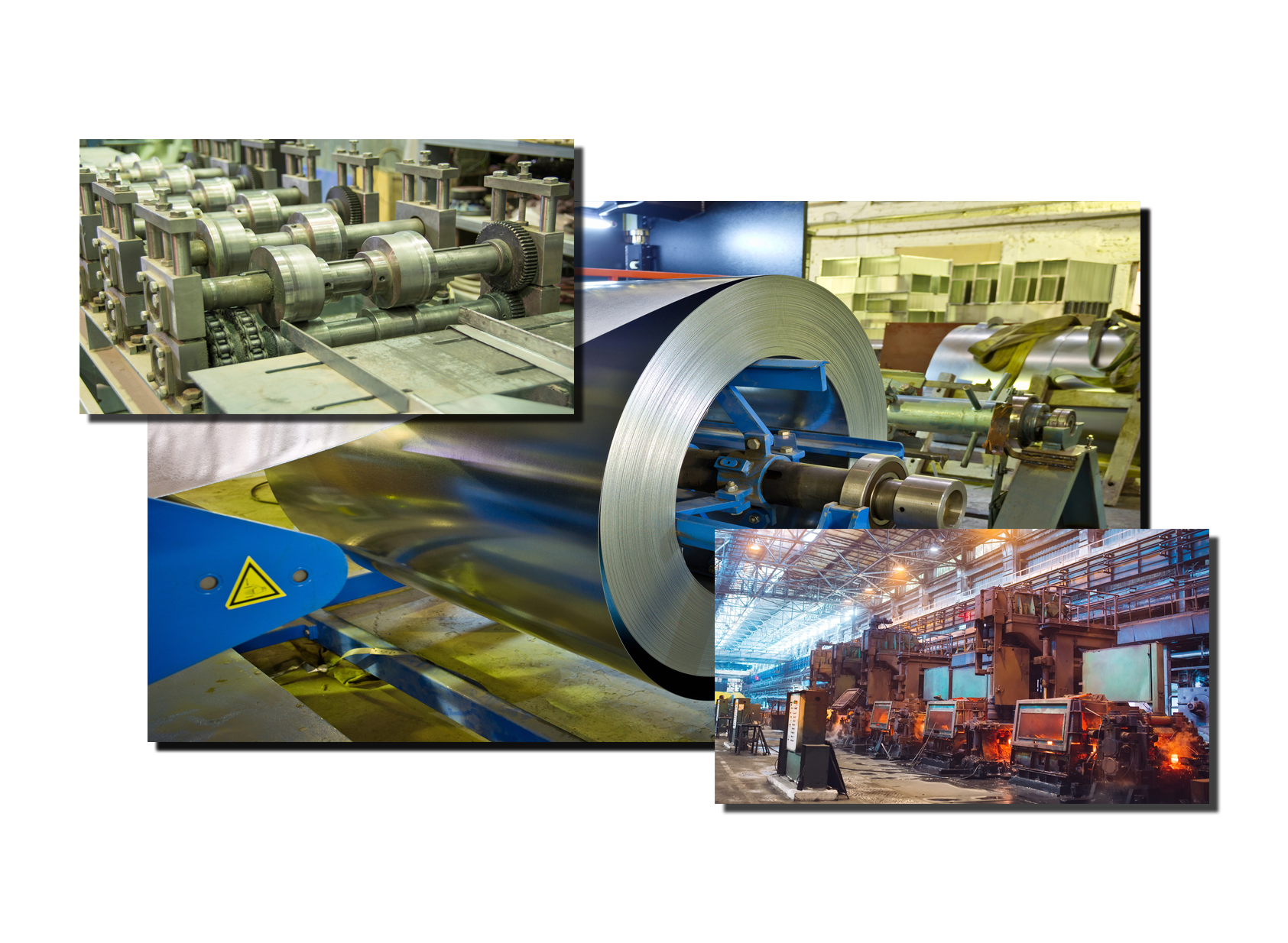
A rolling mill, also referred to as a reduction mill, is a type of metalworking manufacturing process that involves moving brass copper and other metals between one or more pairs of rollers to typically reduce the thickness of the metal, roll bending it into shape, and make it uniform. They are sometimes referred to as plate rolling mills, especially when they are making sheet metal. Like any other manufacturing process, rolling is valued because it can quickly process metal in high volume — rolling accounts for the most tonnage of all metalworking operations, which is why the mill remains a workhorse of modern industry.
The earliest rolling mills were modest hand- or animal-powered frames used to flatten soft metals such as silver into uniform sheet and strip for coinage; iron and steel followed as the technology grew, and today's powered mills carry that same idea forward at far greater speed and scale.
Hot Rolling and Cold Rolling Processes
Most rolling mill divisions are organized around two families of rolling processes: hot rolling processes and cold rolling processes. In hot rolling, the metal is worked above its recrystallization temperature, where added heat keeps the material soft and easy to form. Cold rolling is performed at or near room temperature, producing a finer surface, tighter tolerances, and stronger finished products.
Controlled rolling layers careful temperature and timing management over both, so the entire process delivers consistent, good-quality results.
The rolls themselves take more than one form. Flat rolls produce flat products — metal sheets, strips, and passed flat bars — while grooved rolls are shaped to produce rods, half-rounds, angle stock, and channel stock. Related rolling operations include ring rolling to form seamless rings, profile rolling (also called shape rolling) for custom cross-sections, plus roll bending and roll forming to bend and shape the material as it moves through the mill.
As the rollers rotate, the metal is drawn through the gap between them; operators measure the output and adjust that gap to keep the thickness uniform. Some mills reverse direction, passing the strip back and forth, trimming the edges, and rolling wire and rod to size — running the mill efficiently this way protects quality and saves money over the life of the operation.
There are many types of metal rolling products produced including the following:
- Ring
- Bending
- Forming
- Profile
Typical uses of Rolled metal include:
- Automotive frames
- Automotive Parts
- Pipes
- Tubes
- Agricultural equipment parts
- Metal building frames
- Railroad cars and parts
- Metal Fabrication
- Home Doors and shelving
In today's metal and forging rolling mill machines, it is a careful balance between managing the appropriate metal temperature to maintain the high quality metal standards, the maintenance of the rollers and parts, and the production speed for cost savings. The maintenance is where Bronze comes in. Bronze is used in multiple locations throughout a rolling mill process, but mostly in plate form.
The plates play a vital role in maintaining the rollers at the correct locations. Using the proper
bronze plate will minimize the maintenance costs and minimize downtime. Depending on many variables, selecting the proper bronze alloys can be the difference between a premature failure of the bronze part. The bronze part should be made to the highest strength, that doesn't wear away as the expensive mating part. For instance using an C86300 as a wear plate might sound great because of its high temperature tolerance and strength, but if the mating part is a soft steel, the steel will wear instead of the bronze.
|
Alloy
|
Brinell
|
Speed (SFPM)
|
Load
|
Temperature
|
|
C93200
|
65 (500 kg)
|
250 SFPM
|
1,000 psi
|
450°F
|
|
C95400
|
170 (3000 kg)
|
100 SFPM
|
3,500 psi
|
500°F
|
|
C86300
|
225 (3000 kg)
|
25 SFPM
|
3,500 psi
|
600°F
|
Bronze plates in C932, C954, and C863, are very prevalent in rolling mill parts. You may even recognize some of these names;
-
Bronze Slipper Pads
-
Down Coiler Mandrel - wear plates
-
Rolling Mill Stands - wear plates
-
Rolling Chock Assembly - wear plates
-
Worm Gear Drive - Worm Wheels
These are popular expendable wear parts.
Those parts not made from plate, and are cylindrical, can be produced from Sand Castings, Continuous Castings, Centrifugal Castings, and Forgings. ID/OD parts, such as bushings, can get very large and are used as wear parts in a “roll chock”. During rolling, the load on the rolls gets transferred to the roll neck bearings and their assembly chocks, Bronze worm, worm gears, and worm wheels help drive the mill, and would be something we are interested in quoting. Gear cutting is not part of what we would look to provide, but rather gear blanks that are near net shape.
Whether it is a simple small bearing or a large replacement wear part, we can help. Let your next phone call be to us, so we can utilize our experience to keep your steel or bronze rolling mill up and running.
|